
Modern sewing has shifted far beyond simple crafting projects and occasional repairs because many people now want clothing that feels personal, comfortable, and built to last. Fast fashion continues to dominate retail stores, yet shoppers increasingly complain about poor fabric quality, uncomfortable fits, and garments that lose shape after only a few washes.
That frustration has encouraged more people to return to sewing, especially for everyday clothing that combines comfort with practicality.
This growing interest explains why fabrics like bamboo jersey knit and cotton jersey knit continue attracting both beginner and experienced sewists. These materials offer softness, flexibility, and durability, which makes them ideal for clothing people actually wear throughout the week instead of storing away for special occasions.
Industry reports from sewing and crafting organizations also reflect this shift. More Americans are investing in garment sewing projects, especially comfortable apparel like lounge sets, T-shirts, sleepwear, and casual layering pieces that support daily wear rather than short-term fashion trends.
What Makes Jersey Knit Fabric Different from Other Materials?
Many first-time sewists notice the difference immediately when working with knit fabric because it behaves differently from traditional woven cotton. Woven fabrics hold structure firmly, while knit fabrics stretch naturally and move more comfortably with the body.
That flexibility has made jersey knit one of the most widely used materials in modern apparel manufacturing. Everyday clothing often relies on knit construction because people expect softness and freedom of movement from their garments.
Among the most reliable choices, cotton jersey knit fabric remains popular because it balances breathability, softness, and sewing stability. Cotton fibers feel comfortable against the skin while also standing up well to repeated washing and regular use. That durability matters for clothing designed for everyday life.
At the same time, bamboo jersey knit continues gaining attention among sewists who prefer lightweight fabrics with a smoother drape. Bamboo blends often feel cooler and softer, which makes them especially appealing for sleepwear, relaxed tops, and clothing intended for extended wear during warmer seasons.
The quality difference becomes even more noticeable after several washes because better knit fabrics tend to maintain their shape, texture, and comfort much longer than lower-grade alternatives.
Why Does Fabric Knowledge Matter So Much in Sewing?
Experienced garment makers understand that fabric selection influences every stage of a sewing project, from cutting and stitching to long-term wear. Poor-quality fabric may stretch unevenly, curl excessively during sewing, or lose recovery after repeated use.
Good knit fabric behaves more predictably, which allows sewists to focus on construction instead of constantly correcting fabric issues. Stretch percentage, fabric weight, and recovery all affect how a finished garment performs over time.
For example, lightweight knits may create soft draping garments but require careful handling during construction. Heavier knits provide more structure and warmth but may work better for specific clothing types.
These technical details matter because many sewists today expect handmade garments to compete with high-quality retail apparel. Sewing has become less about quick crafting and more about creating thoughtful, long-lasting clothing that fits individual needs.
How Does Sewing Create a More Meaningful Wardrobe?
Many people eventually realize that mass-produced clothing rarely fits perfectly or reflects personal comfort preferences. Sewing changes that experience because creators control every decision, including the fabric, fit, texture, and final design.
Soft knit fabrics often become favorites because they combine comfort with practicality in a way many retail garments fail to achieve. A handmade shirt, pajama set, or lounge outfit often carries more value simply because it was made with intention and attention to detail.
Projects created with bamboo jersey knit and cotton jersey knit fabric also encourage skill development because sewists learn how fabric behavior directly affects garment quality and wearability.
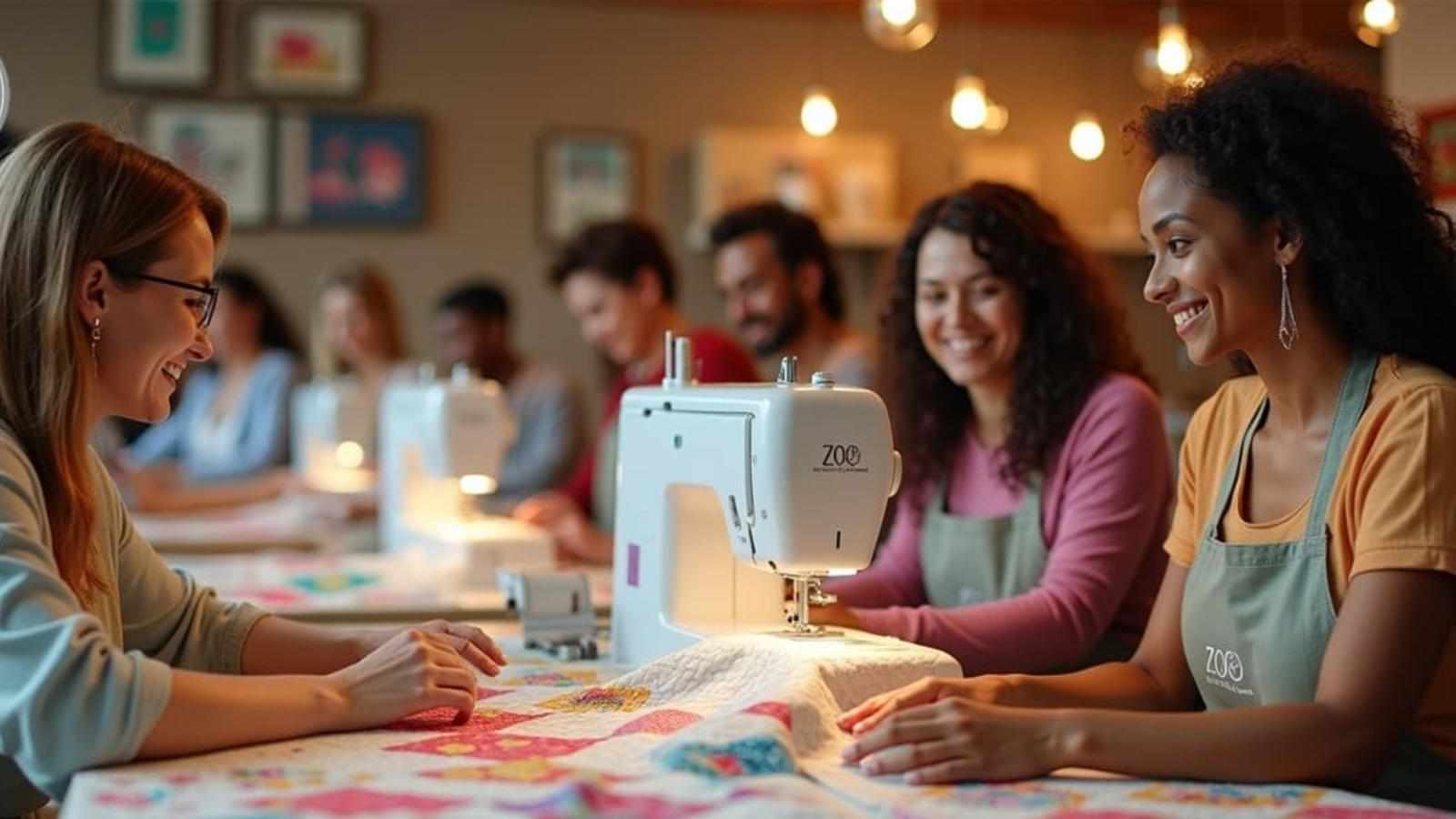
For individuals exploring knit sewing and garment construction, Zoelee’s Fabrics & Sewing School continues to reflect the importance of quality materials, practical sewing education, and reliable fabric knowledge for creators building long-term sewing skills.


Write a comment ...